
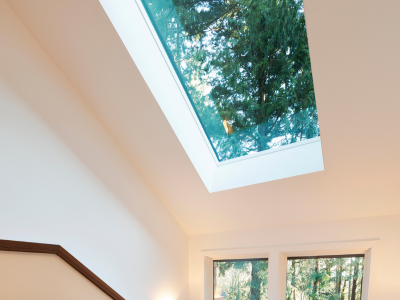
You’re getting a new roof, and your contractor mentions the skylights. Your first instinct might be to protect the budget and keep the conversation focused on what you called about. But here’s the thing — that mention isn’t an upsell. It’s one of the most practical conversations you can have before a roofing project starts. Here’s why.
Your Skylight Lives Inside Your Roof System
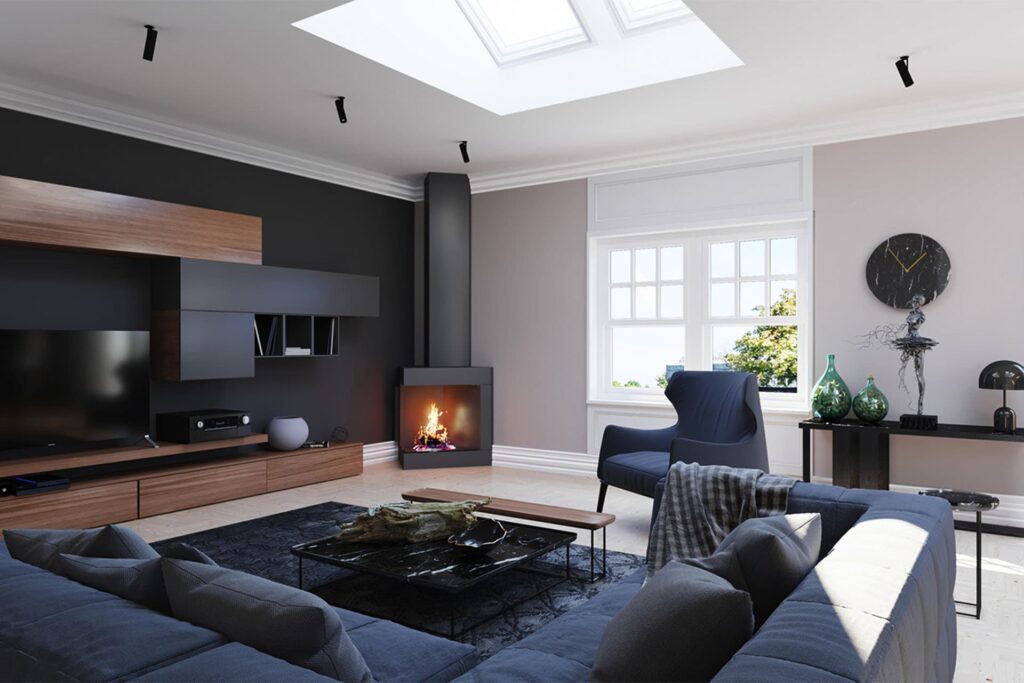
A skylight isn’t mounted on top of your roof, it’s built into it. The flashing, curb, and weatherproofing around every skylight are integrated with the roof deck and underlayment beneath. When a new roof goes down, that integration is disturbed. Shingles are torn off, decking is exposed, and the perimeter of every skylight is touched in the process.
If your skylight is 10, 15, or 20 years old, that disturbance is often when the cracks, literal and figurative, start to show. The new roof goes on, the old skylight sits back in its opening, and 18 months later you’re dealing with a leak that traces right back to the flashing joint.
The Math on Simultaneous Replacement
A roof replacement creates a labor window that doesn’t exist at any other time. The crew is already there. The roofing material is already staged. The deck is already exposed. Adding a skylight replacement to an active roofing job typically costs just the price of the new unit plus a modest amount of additional labor — because the hard work of getting up there, pulling back the system, and reintegrating everything is already happening.
Schedule that same skylight job as a standalone project in two years, and you’re paying for a full mobilization, fresh material staging, and a discrete scope of work with no shared efficiency. It almost always costs more, and you’ve spent two years with an aging unit sitting inside a brand-new roof.
What 2026 Best Practices Say
Current industry guidance — including standards from the National Roofing Contractors Association and updated installation specs from leading skylight manufacturers — recommends evaluating skylight condition any time a full roof replacement is performed. For units older than 10–15 years, simultaneous replacement is widely considered best practice. Not mandatory, but strongly advised.
The reasoning is simple: you’re investing in a 25–30 year roofing system. Leaving a 15-year-old skylight inside that system creates a predictable failure point that has nothing to do with the quality of the new roof.
What This Means for Your Roof Decision
If you’ve been on the fence about a full roof replacement — maybe you were only planning to address the skylight — this dynamic cuts both ways. A skylight inspection can reveal signs of broader roof aging that make a full replacement the smarter financial move. Granule loss, soft spots in the decking, and deteriorated flashing aren’t just skylight problems. They’re roof problems that happen to surface around skylight openings first.
The KangaCrew doesn’t recommend a roof replacement unless it’s warranted. But we will tell you what we see, so you can make the call with complete information.
→ Learn more about skylight replacement: brandstetterroofing.com/roofing/skylights/
→ See what a full roof replacement involves: brandstetterroofing.com/roof-replacement/
